Hospitality · 2026
1946 Company
A group with more than one room needs more than one look.
Hospitality · 2026
A group with more than one room needs more than one look.
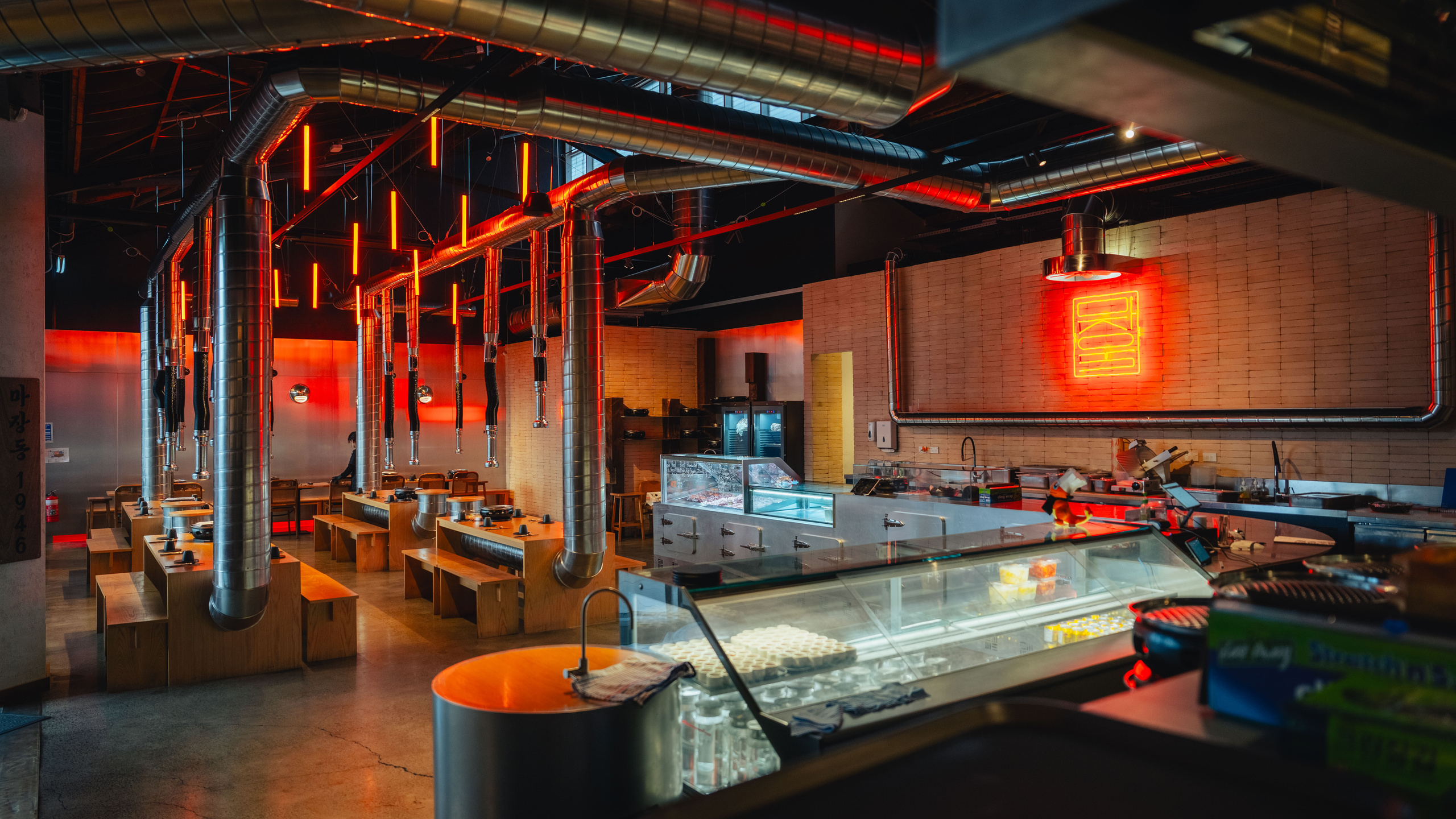
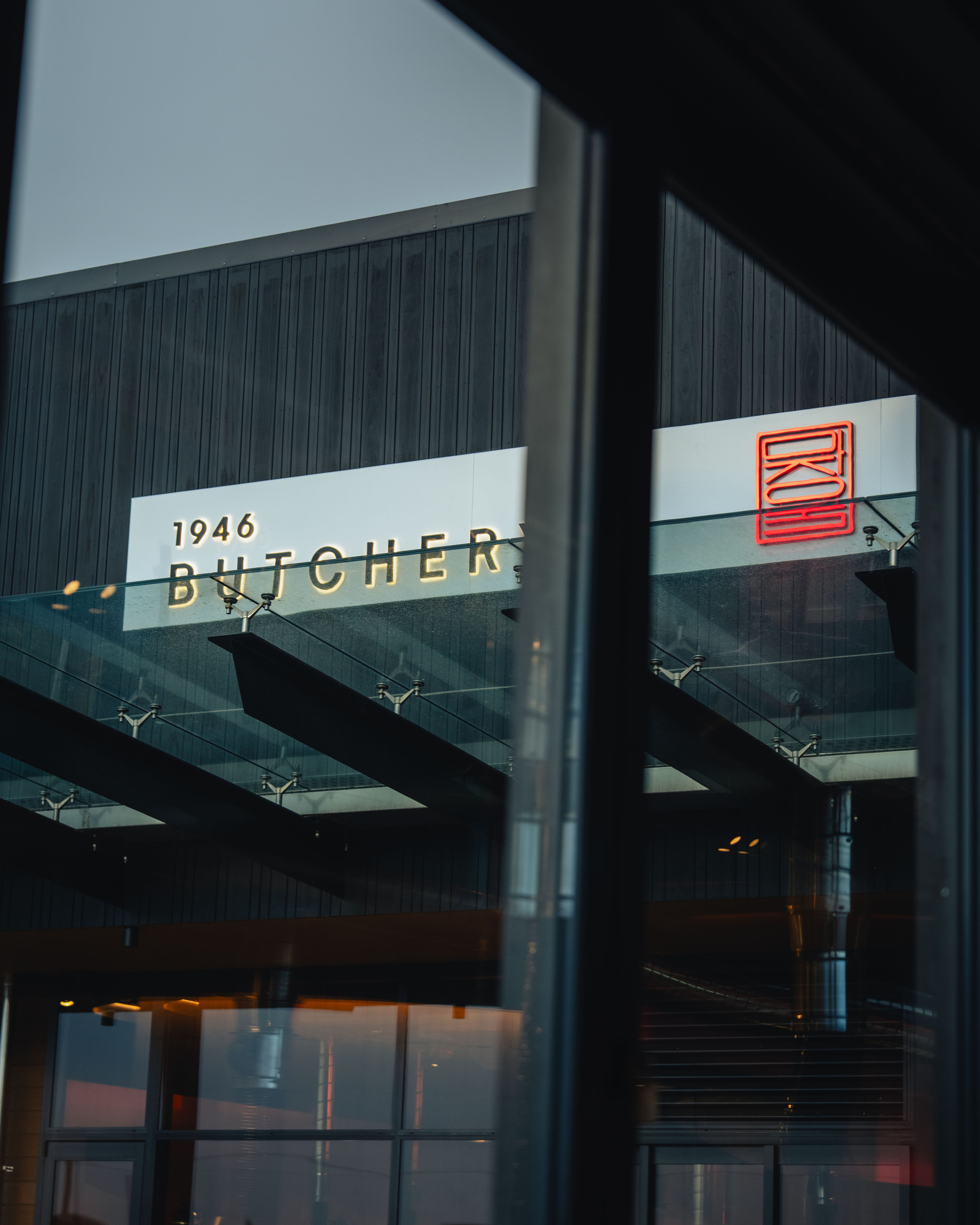
1946 Company does not run one venue. 1946 Butchery is a dark room with a grill in the middle of the table. Seoul 1946 is a daylit cafe and roastery. They serve different people at different hours, and they share a parent brand.
Content that flattens the two into one house style loses what makes each of them worth visiting. Content with no house style at all stops looking like a group.
Shoot each room in its own light. Grade the whole group as one.
The Butchery lives after dark. We shoot it that way, working with the red room lighting and the brick instead of flattening it with a flash, so the pictures carry the temperature of the room a customer walks into.
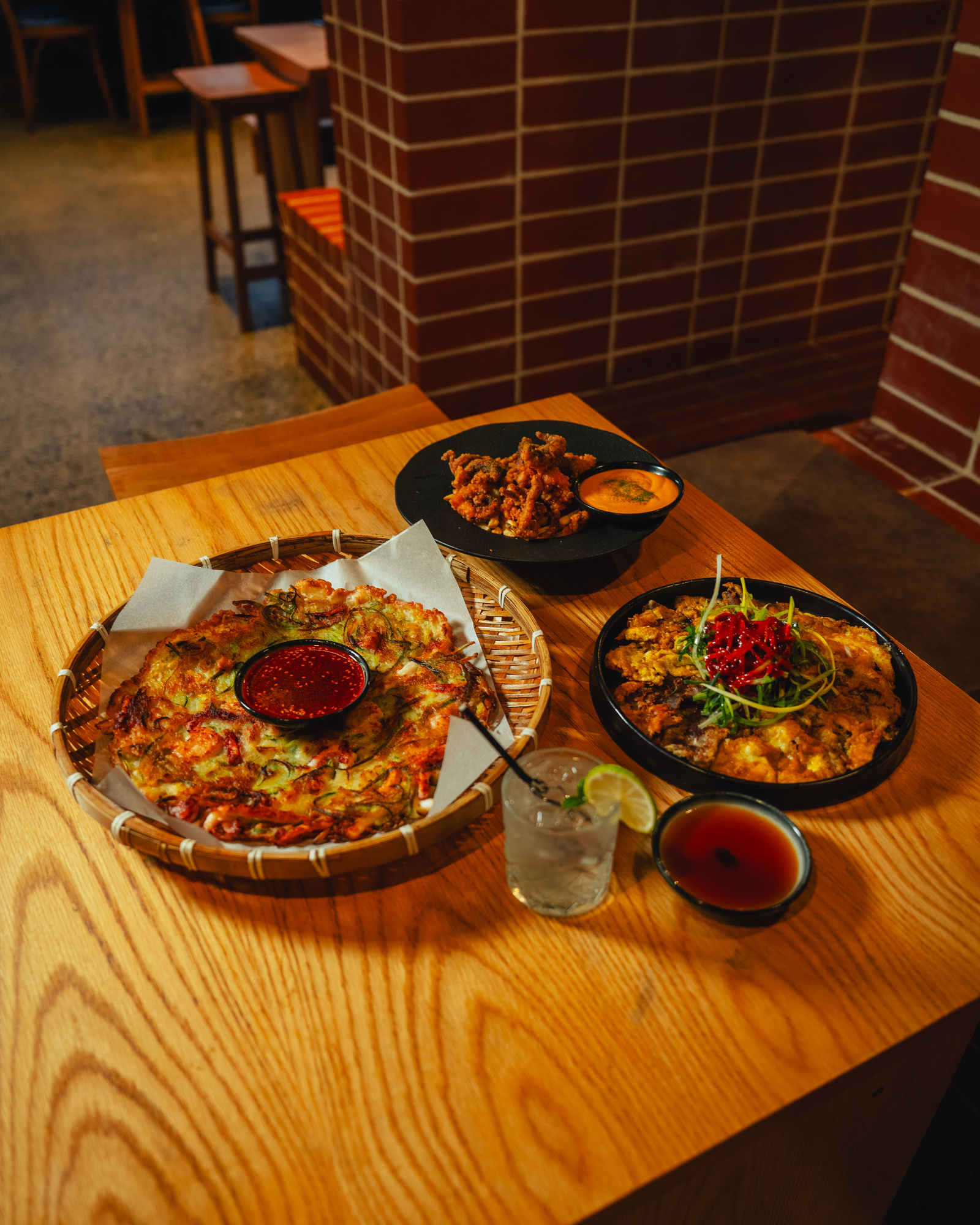
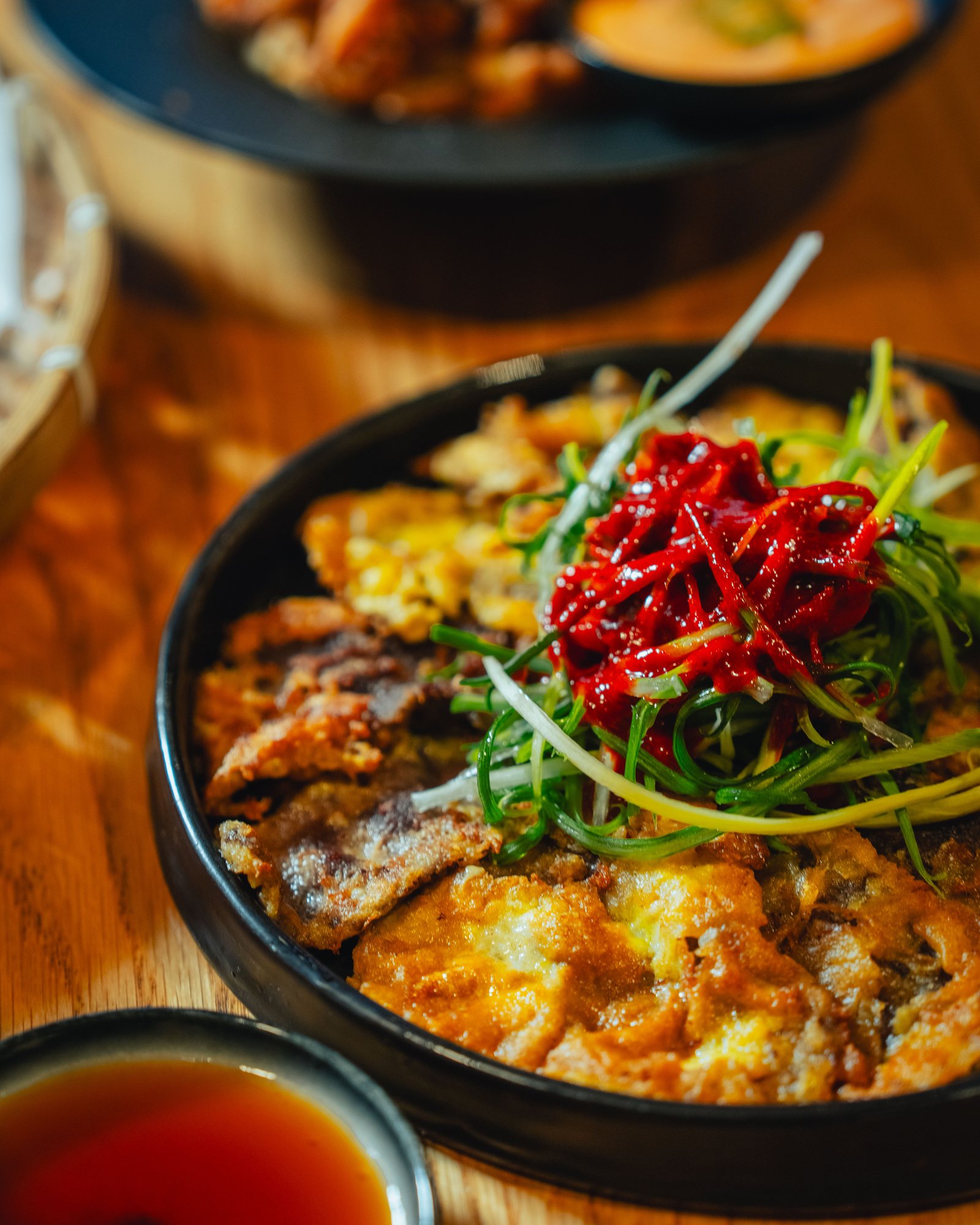
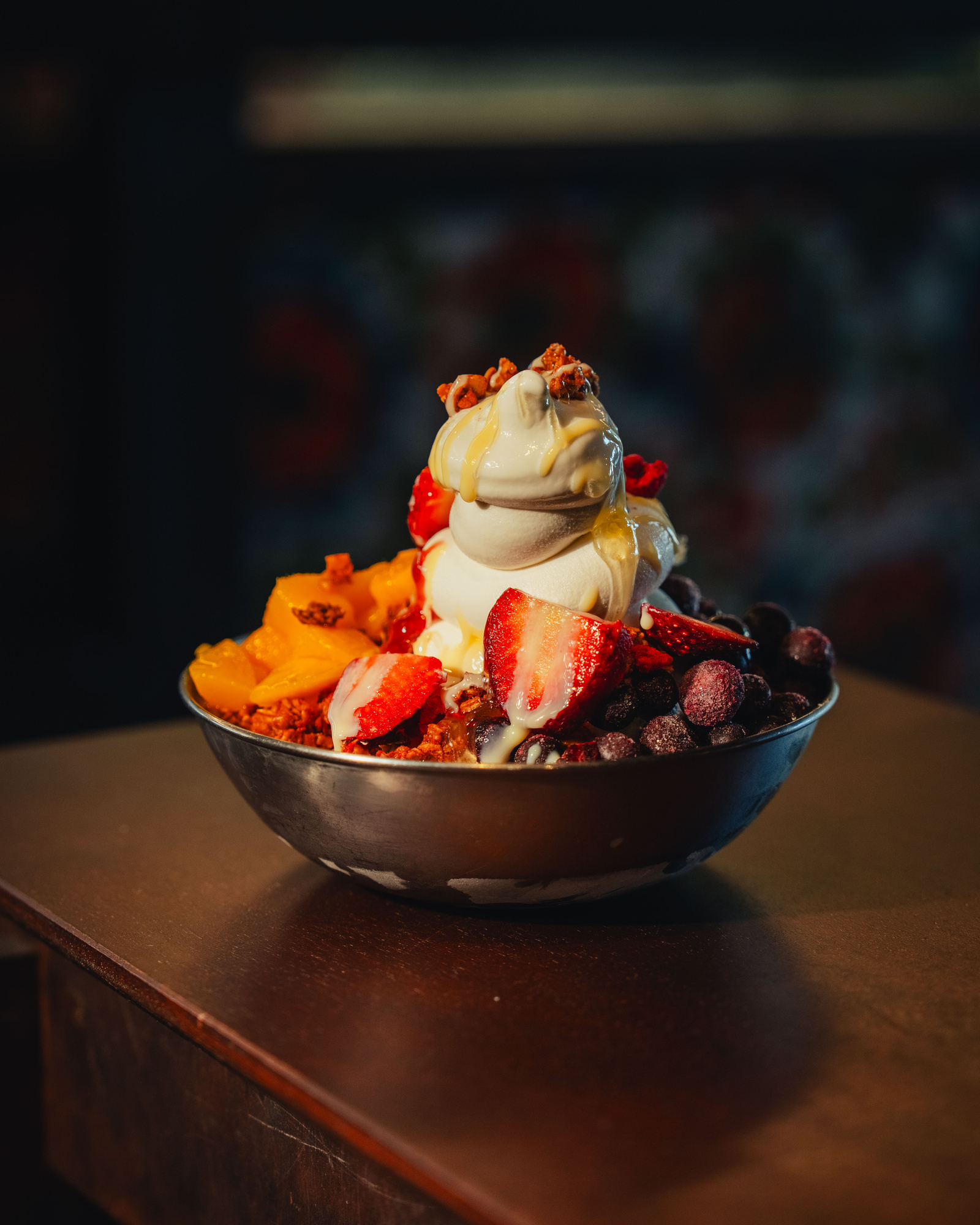
The food is shot on the table it is served on, in the light it is served under. Nothing is moved to a white sweep.
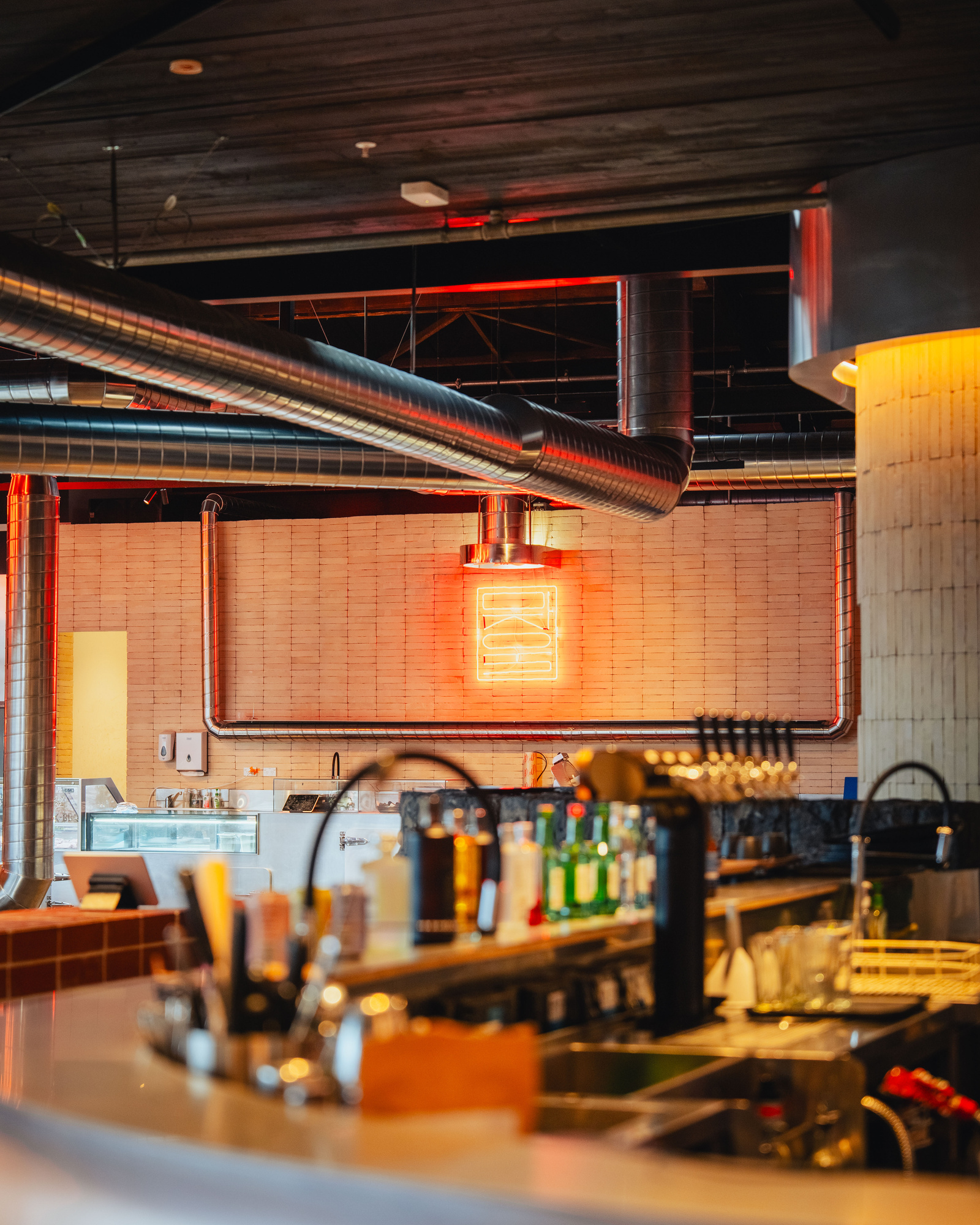
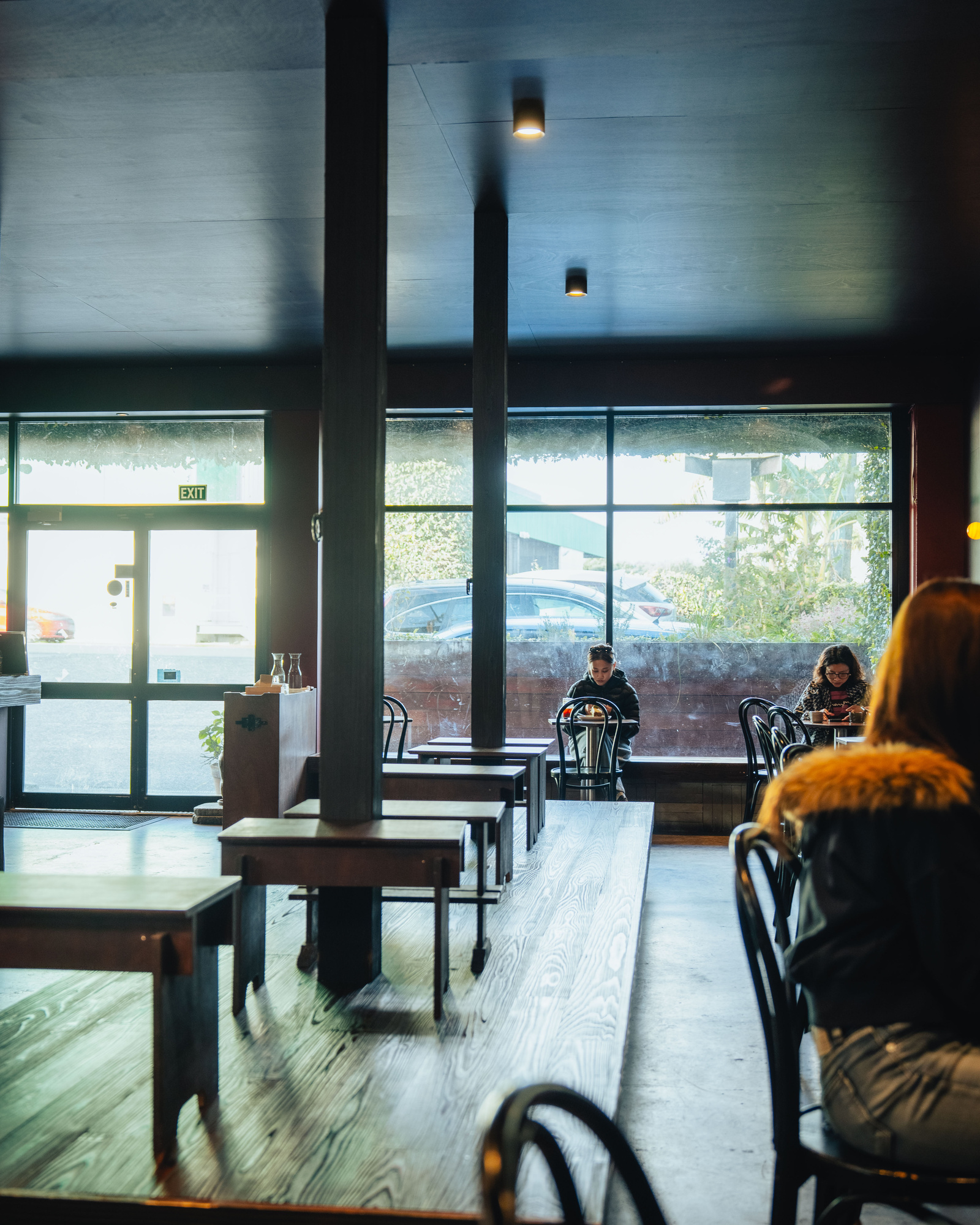
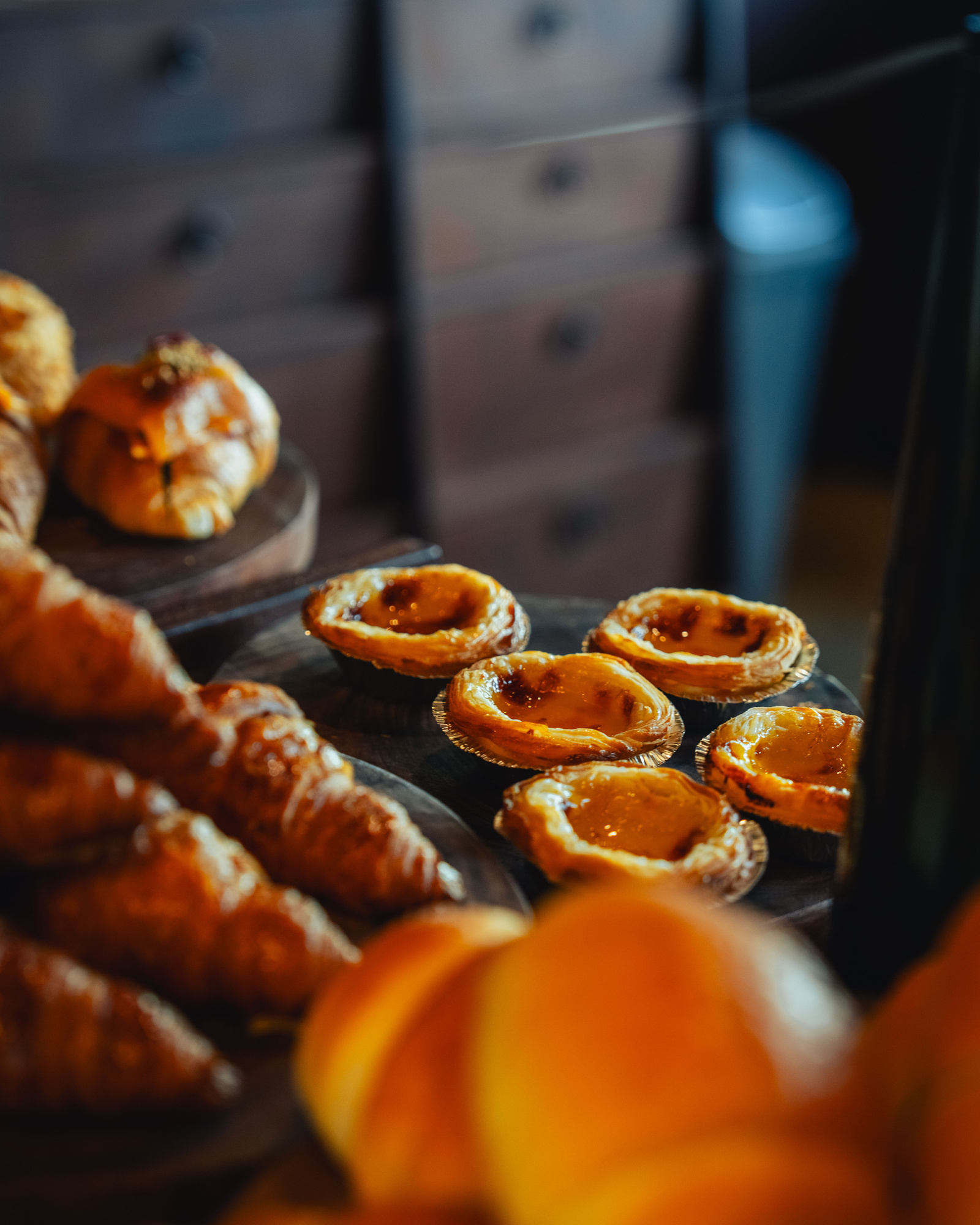
The cafe side gets the opposite treatment. Window light, pale timber, the pastry cabinet in the morning. It reads as somewhere you go before work rather than somewhere you go for dinner.
What holds the two together is the grade and the framing rules, not the location. Side by side on a feed they read as one company with two rooms.
Hospitality content goes stale faster than any other category we work in. A menu changes, a season turns, a room gets rearranged, and a six-month-old grid starts advertising a restaurant that no longer exists.
So the work is a standing monthly shoot across the group rather than a campaign with an end date. Every month the venues get a fresh set of stills and reels, and the account never runs on stock from last summer.
01
A shared grade and framing system across every venue in the group.
02
Night shoots that work with the room light instead of against it.
03
Daylight shoots for the cafe and roastery side.
04
A standing shoot so the feed never runs on old material.
The result